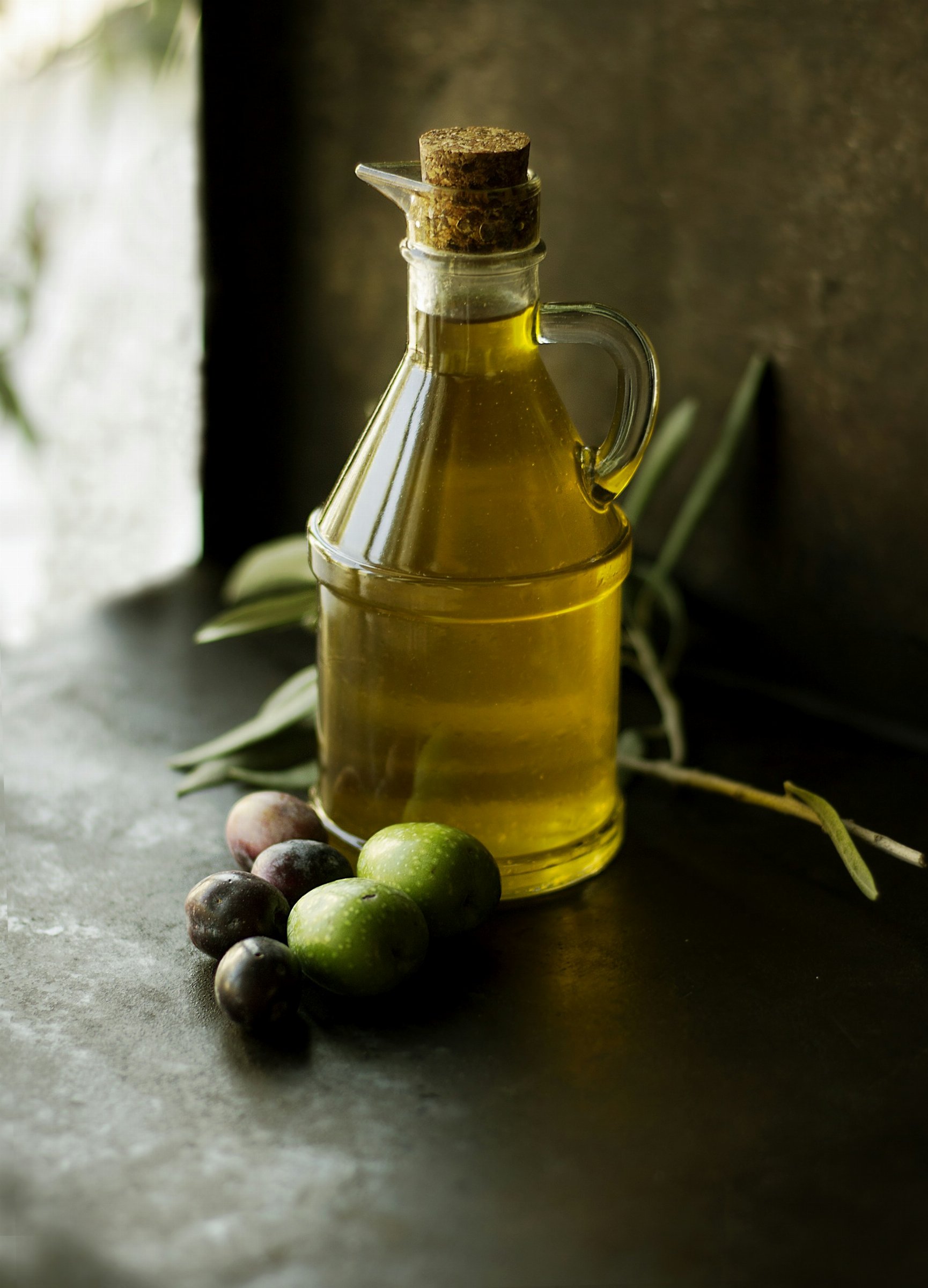
Extra virgin olive oil is the fat of the Mediterranean diet, and for centuries it has also been used for skin and hair. But many exaggerations circulate about its benefits: let's look at what it contains and what has been officially recognised.
What it contains
- Oleic acid: a monounsaturated fat, the most abundant part of the oil.
- Polyphenols: such as hydroxytyrosol and oleocanthal, responsible for bitterness and pungency. There are more of them in oils from olives picked early and milled straight away.
- Vitamin E and other natural antioxidants.
What European law says
In the European Union a food may claim a health effect only if the claim has been authorised following an opinion of the European Food Safety Authority (Regulation (EU) 432/2012). For olive oil there are two:
- olive oil polyphenols contribute to the protection of blood lipids from oxidative stress. This can only be stated for an oil containing at least 5 mg of hydroxytyrosol and its derivatives per 20 g, and the effect is obtained with 20 g of oil a day;
- replacing saturated fats with unsaturated fats, such as oleic acid, in the diet contributes to the maintenance of normal blood cholesterol levels.
It is still a fat: about 9 kcal per gram. It is good for you as part of a balanced diet, not on top of everything else.
In the kitchen
Raw, extra virgin olive oil gives its best in aromas and polyphenols. But it can also be used for cooking and frying: its antioxidants make it stable under heat, as long as it does not reach smoking point.
In body care
Olive oil is the base of traditional soaps, body oils, lip balms and treatments for dry hair. In the Olivum shop you will find them in the Olive oil cosmetics category, made by the same producers who make the oil.
This article is for information only and is not a substitute for the advice of a doctor or nutritionist.