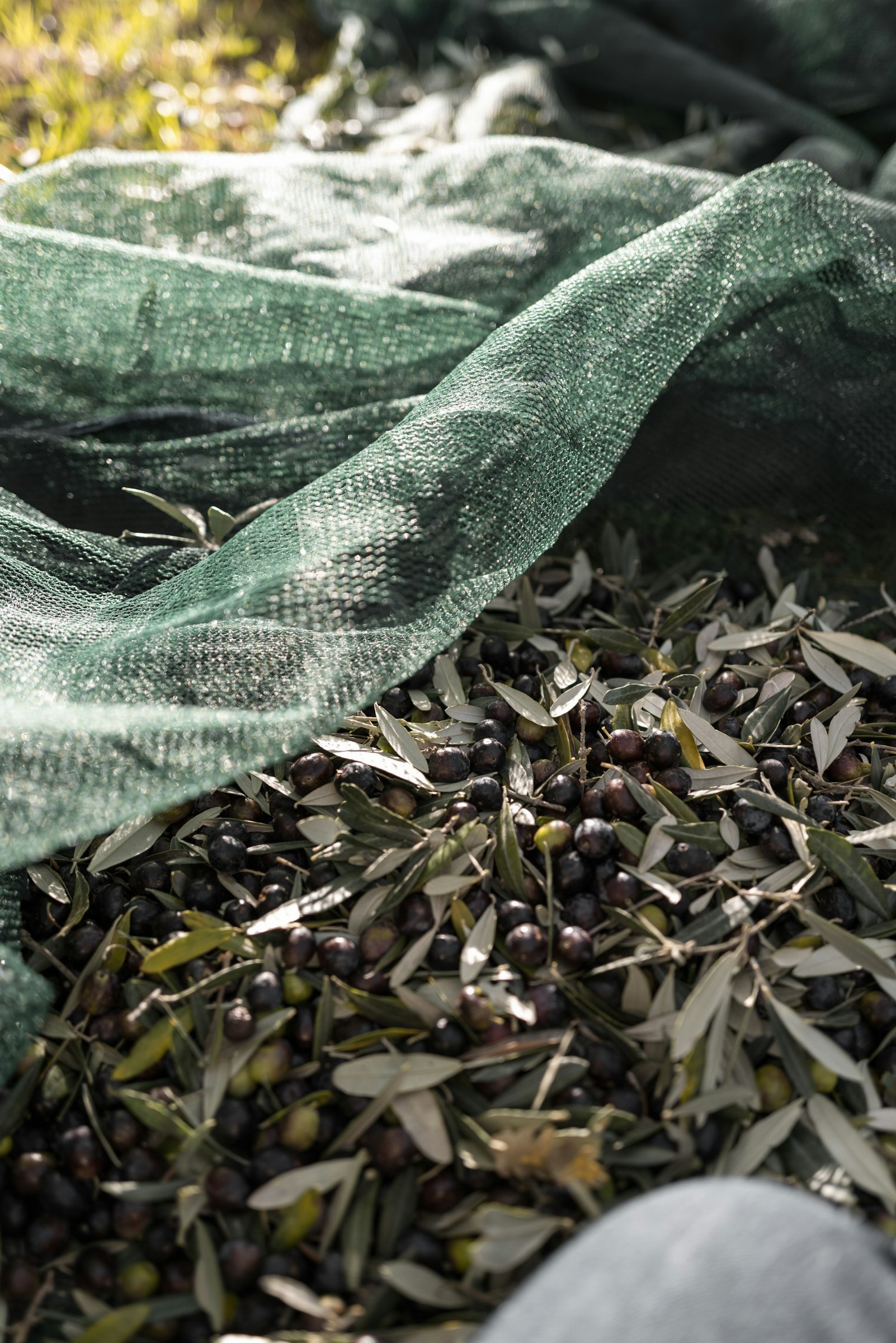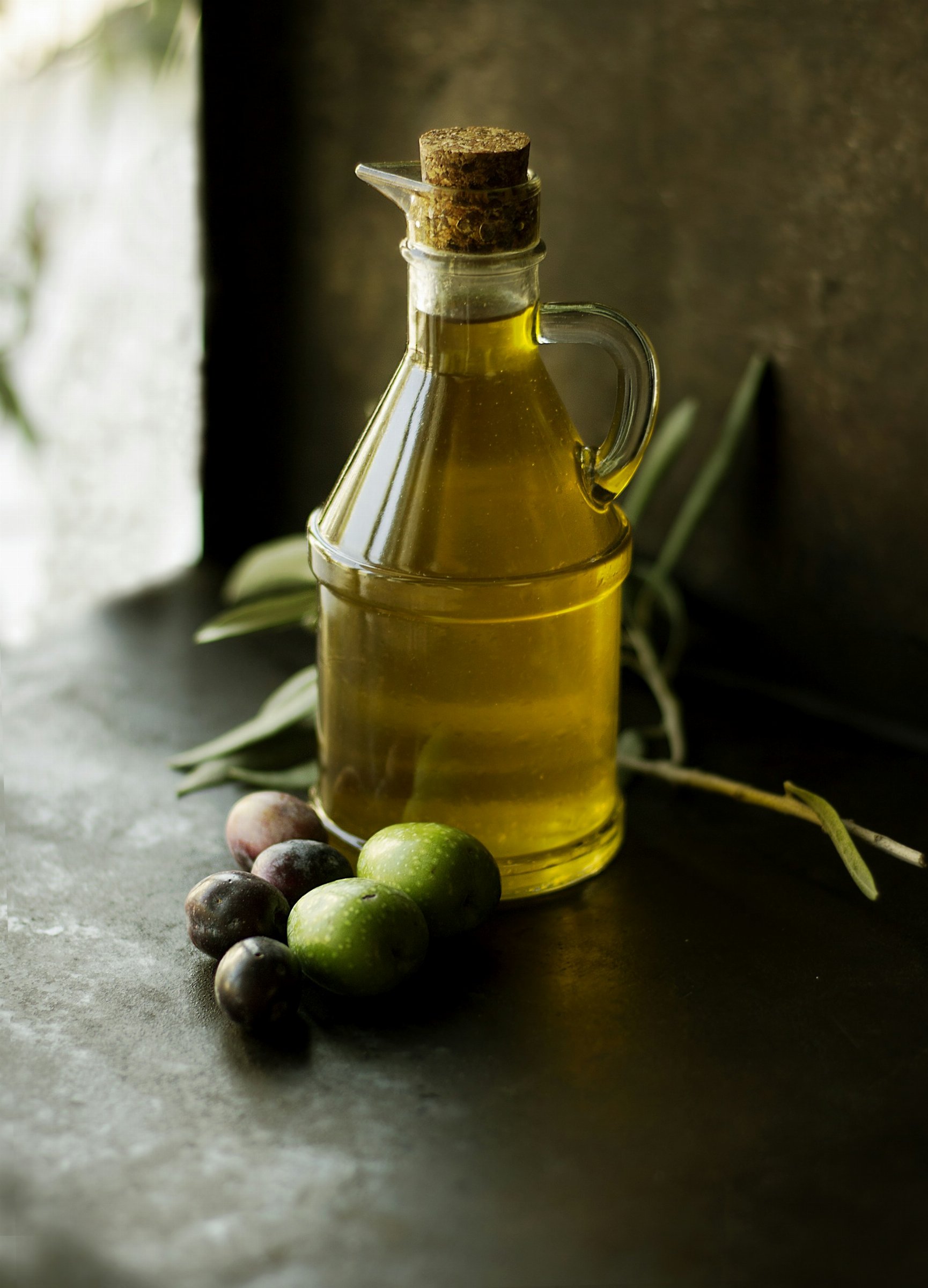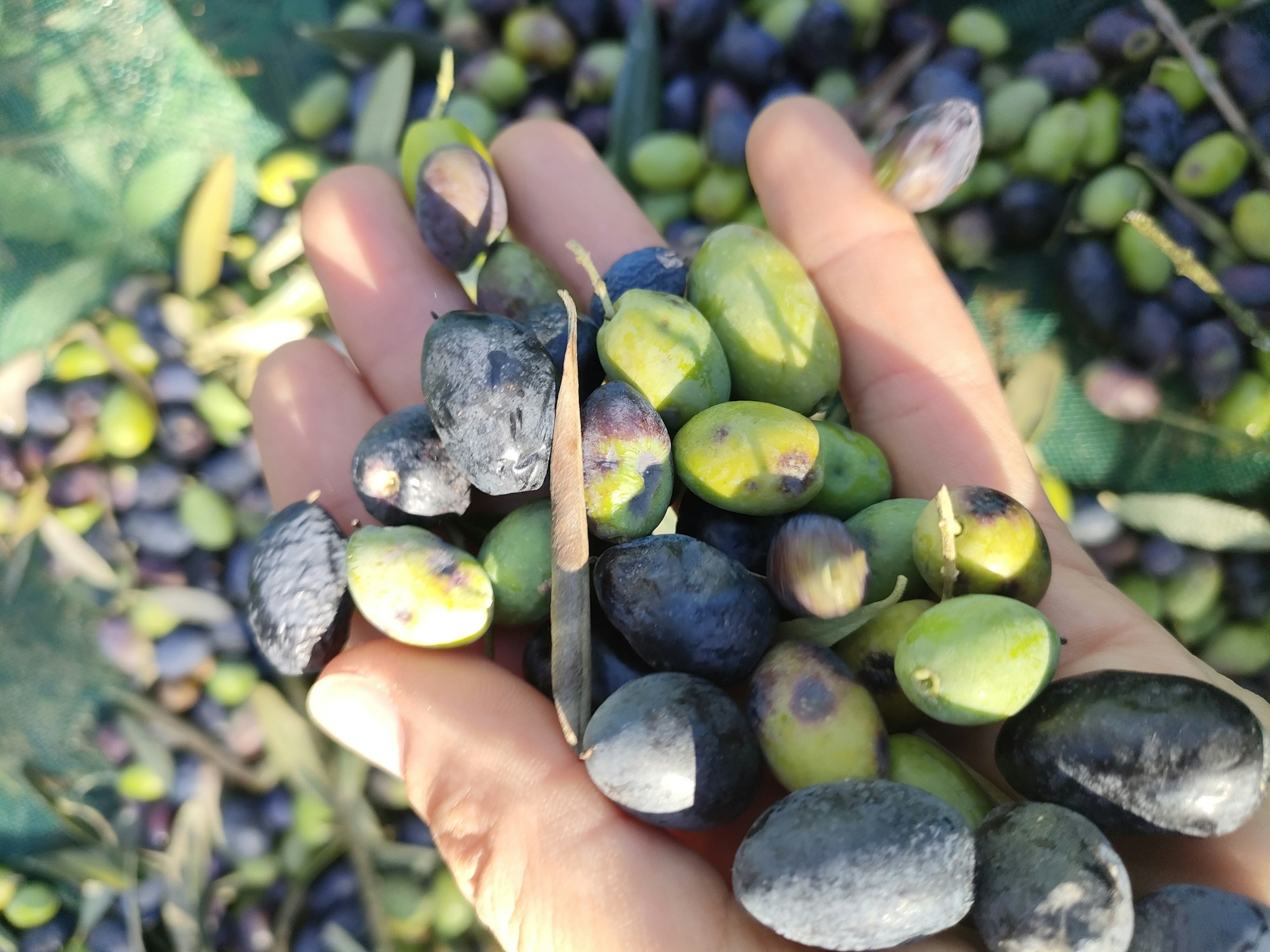
Between October and December, olive mills turn out the oil of the latest harvest. It is green, often cloudy, smells of grass and artichoke, and catches the back of your throat. Italians call it olio nuovo or novello, and for producers it is the most awaited moment of the year.
What “new oil” means
There is no legal category for it: the only one is extra virgin olive oil. “New” is a common usage for the oil of the current season, tasted in the first weeks or months after milling. Be wary of “first pressing” too: today there is only one extraction, made right after harvest.
Why it is bitter and peppery
Bitterness and pungency are not defects. They are the sign of polyphenols, the natural compounds of the olive that protect the oil from oxidation. In freshly made oil they are at their peak, which is why it sometimes makes you cough. Over the months they soften and the oil becomes rounder.
Filtered or unfiltered
Much new oil is sold unfiltered: it looks hazy and leaves a sediment at the bottom. The flavour is full, but it keeps less well, because the particles and water in suspension make it deteriorate over time. Use unfiltered oil during the cold months; to keep it longer, choose a filtered oil or decant it, leaving the sediment behind.
How long it lasts
By custom, oil is called “new” for its first three or four months. After that it remains a fine extra virgin oil until the best-before date on the label, set by the producer, usually 12–18 months from bottling. Look for the harvest year too, when it is printed: it tells you how new it really is.
How to use it
- Raw: on toasted bread, beans and pulses, vegetable soups, grilled meat.
- With simple dishes: an intense oil covers delicate flavours; for fish and tender salads a light fruity oil works better.
- Without saving it: new oil is not for special occasions, it is for using.
Where to find it
The safest way is to buy it from the people who make it, with the harvest date stated clearly. In the Olivum shop you will find extra virgin oil from the olive oil producers on the portal, shipped directly by them. To see how it gets there, read about the olive harvest.