In Italy the harvest usually begins in October and runs until December, first in the south and on early cultivars, then gradually further north and up into the hills. The right date is not on the calendar: it is in the colour of the olives.
Veraison
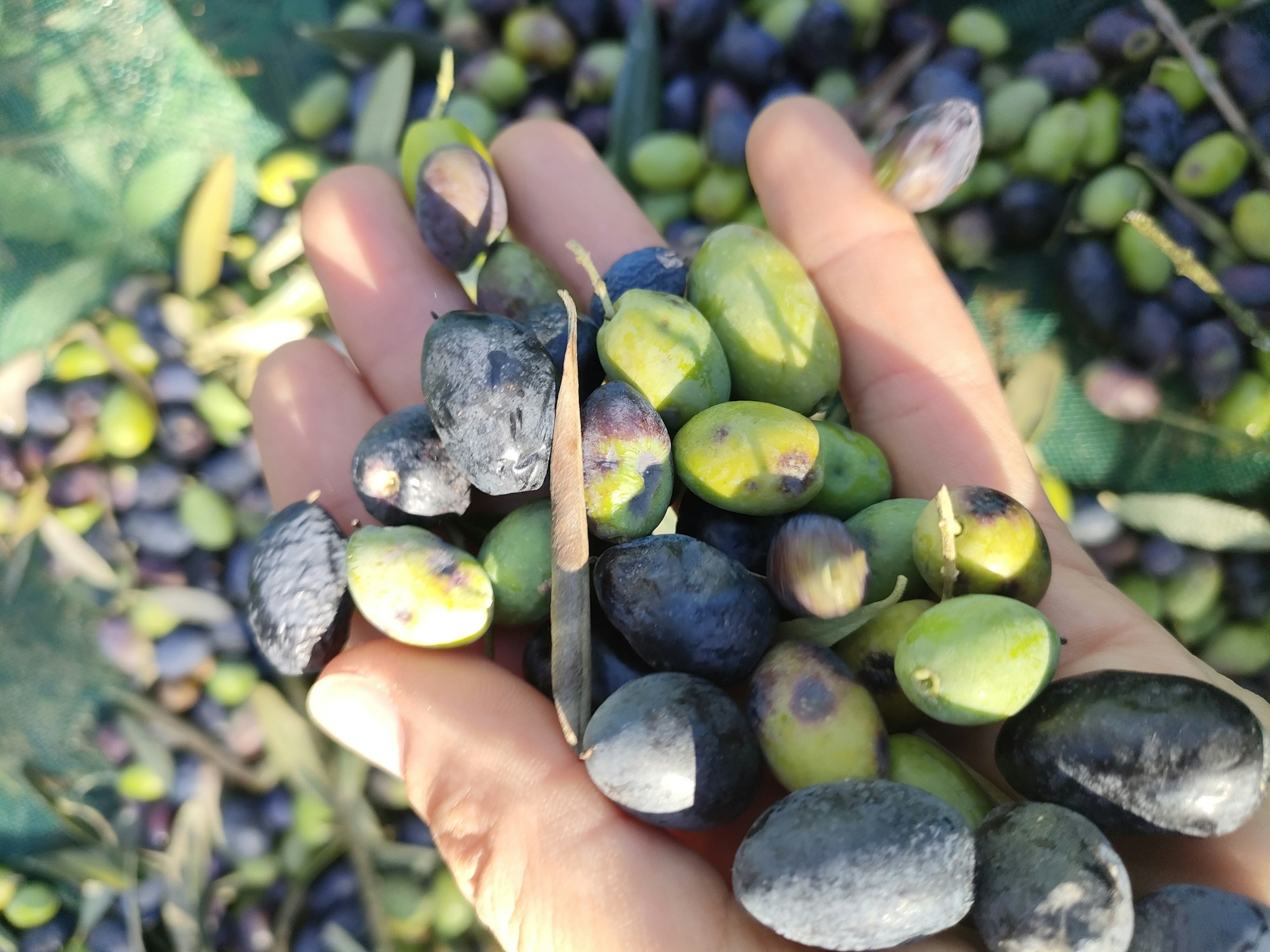
As the olive ripens it turns from green to purple and then to black: this is veraison. Picking at the start of veraison gives less oil, but more fragrant, bitter and pungent, rich in polyphenols. Picking late gives more oil, sweeter and with a shorter life. Each producer chooses its own balance.
How olives are picked
- By hand (hand-stripping): the gentlest method, still used for table olives and on the finest trees.
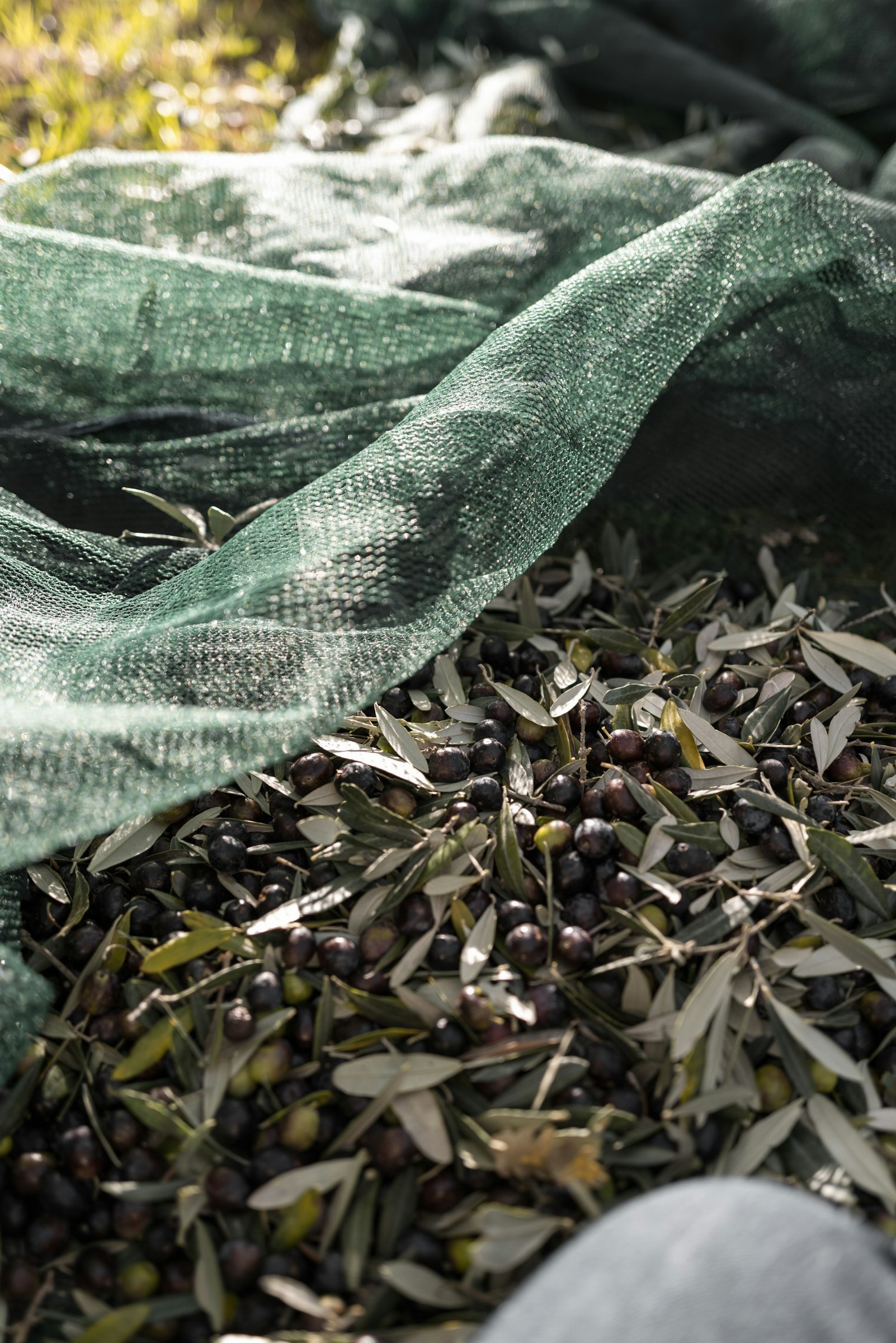
- With rakes and harvesting aids: manual or vibrating rakes that drop the olives onto nets spread under the tree.
- With a trunk shaker: a clamp grips the trunk and makes it vibrate, often with an inverted umbrella that catches the fruit.
- With a straddle harvester: in super-intensive groves, the machine passes over the row.
Olives that fall to the ground on their own make worse oil: they are picked from the tree.
To the mill, quickly
Once picked, an olive starts to deteriorate straight away. That is why olives are taken to the mill in ventilated crates, not sacks, and milled within a few hours, a day or two at most. At the mill they are washed and crushed, the paste is malaxed (below 27 °C to be able to state “cold extraction”) and the oil is separated in the decanter.
How much oil from a hundred kilos
The yield depends on the cultivar, ripeness and the year: as a rule, 100 kg of olives give between 10 and 20 kg of oil. It is one of the reasons why a good extra virgin cannot cost the same as any other oil.
New oil
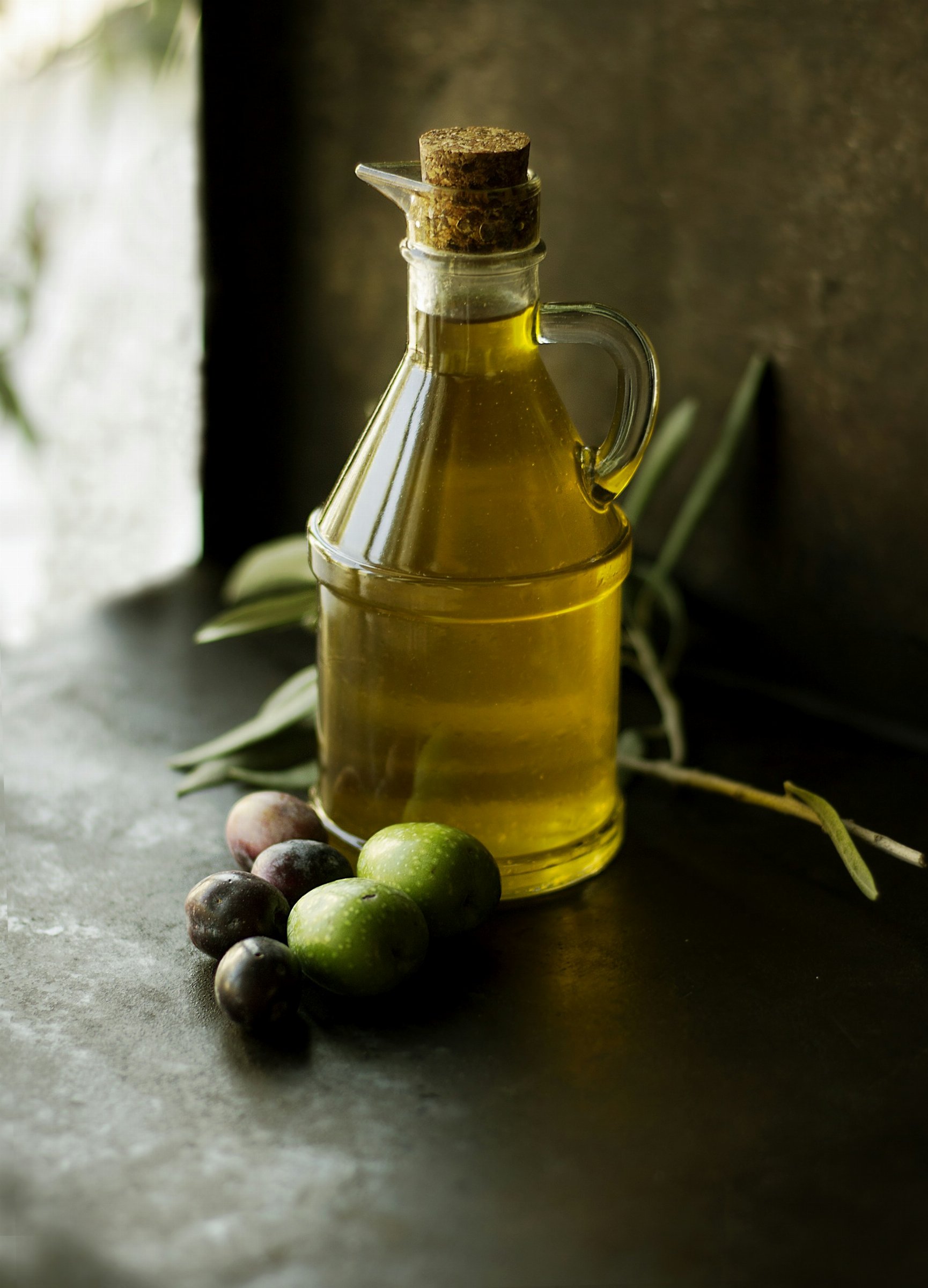
Freshly milled, often unfiltered and slightly cloudy, new oil has the most aroma and pungency. Unfiltered oil should be used within a few months; filtered oil keeps longer. In the shop you can use the New harvest filter.