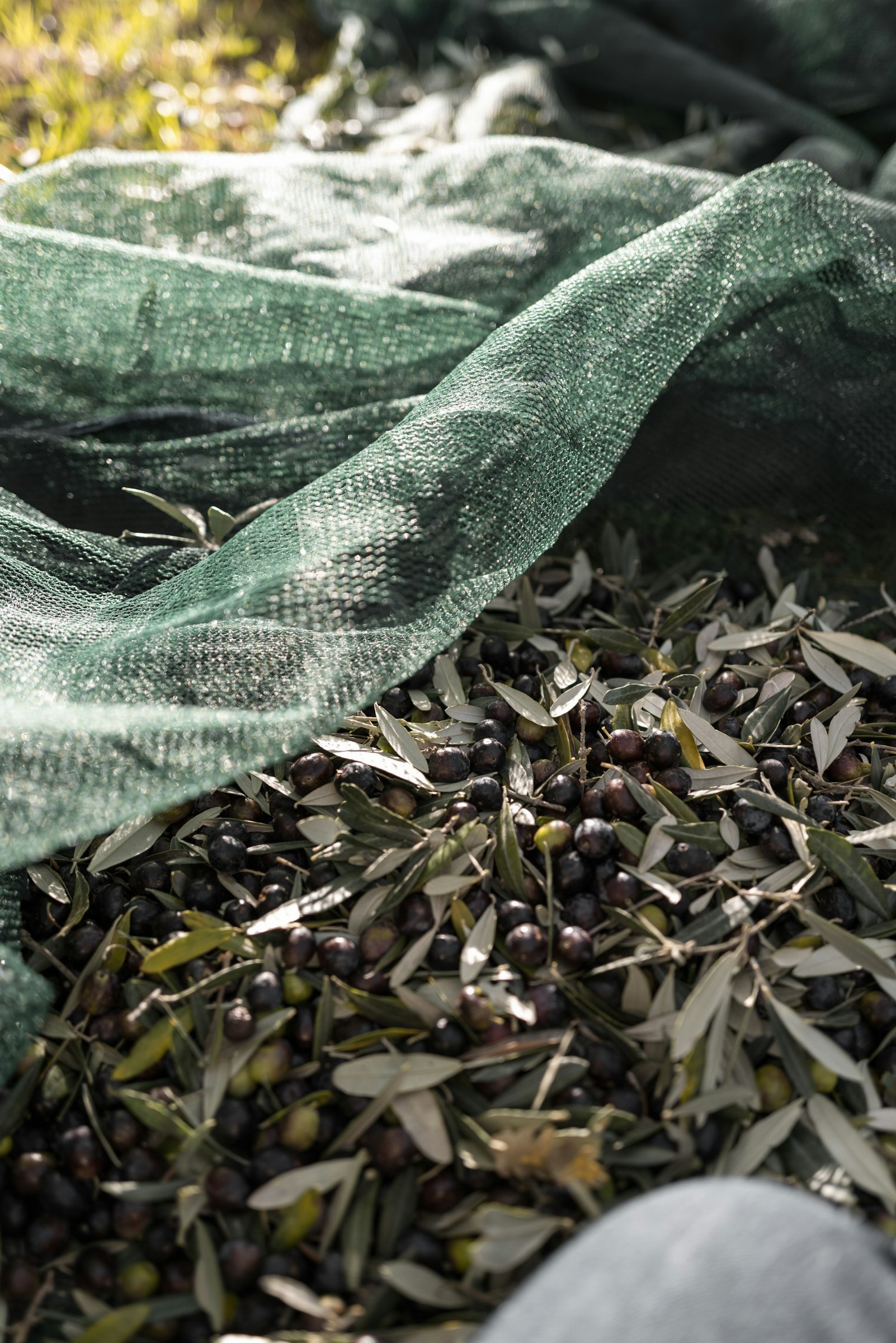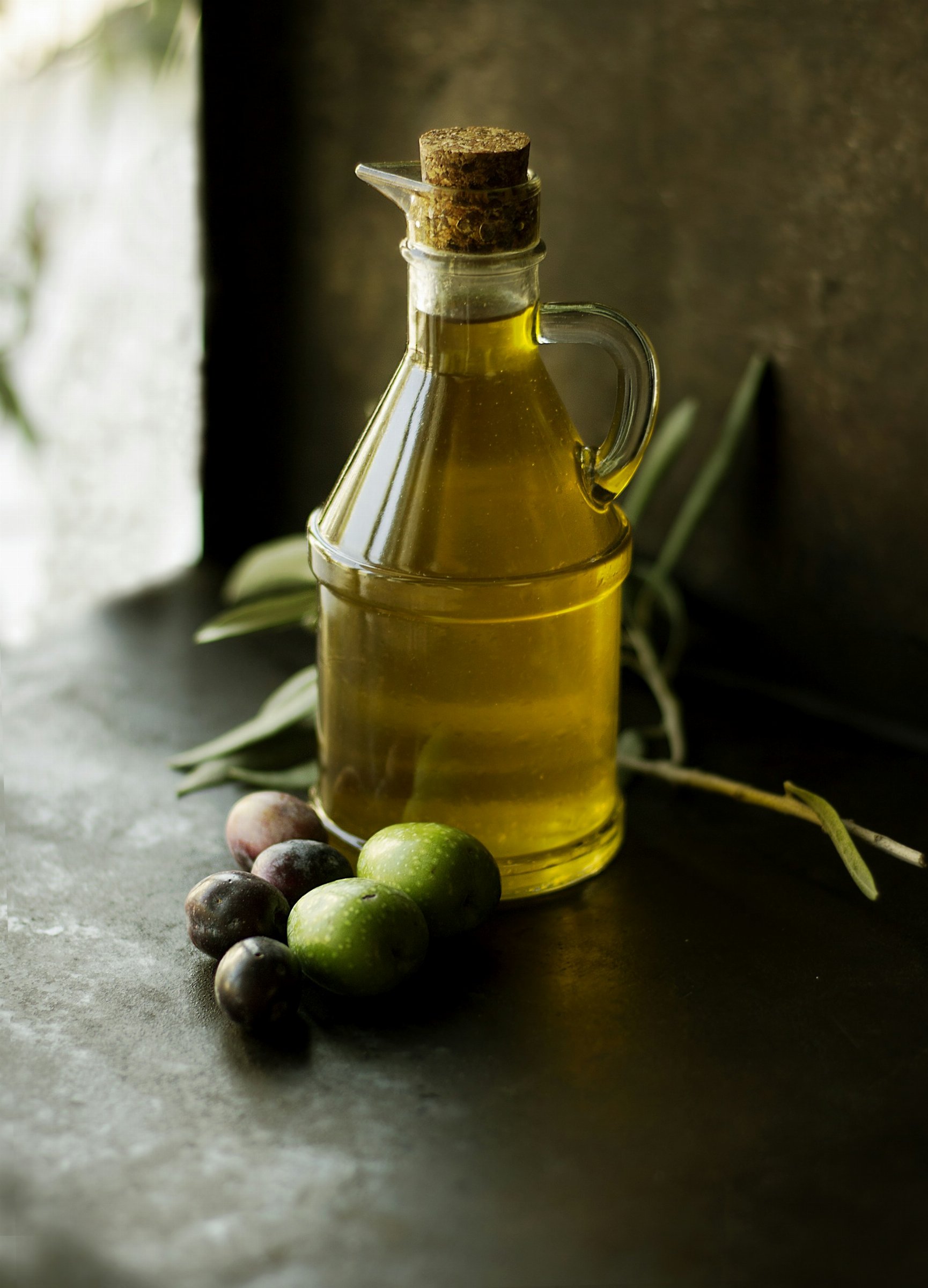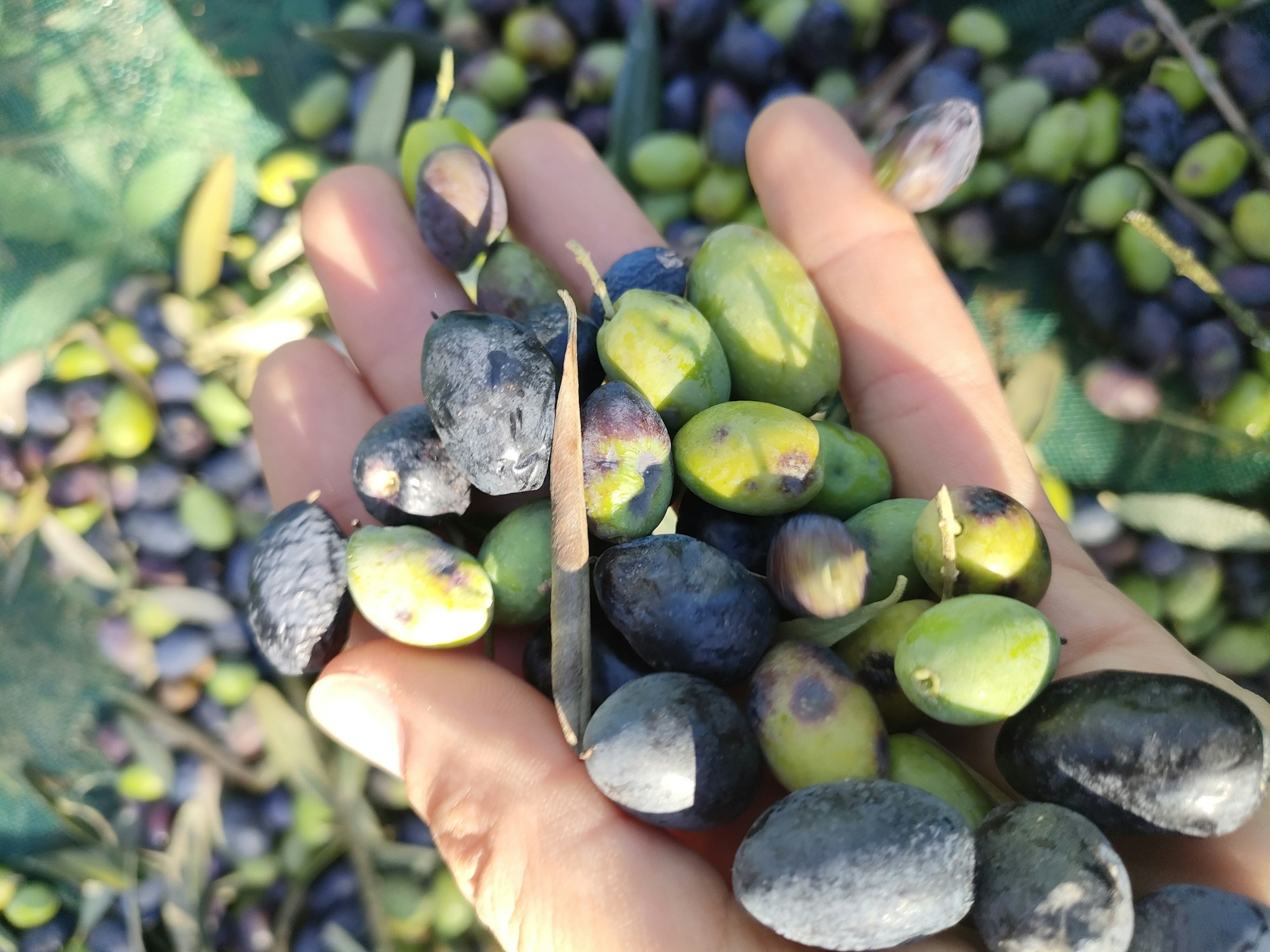
Both words can appear on a bottle, but they do not mean the same thing. Organic is defined by law throughout the European Union; biodynamic is a farming method with its own rules, which starts from organic and adds more.
Organic
It is governed by Regulation (EU) 2018/848. In an organic olive grove no synthetic pesticides, chemical fertilisers or herbicides are used: the soil is fed with organic matter and green manure, the trees are protected with permitted means (for example copper against fungal diseases and traps against the olive fly), and soil fertility is looked after.
The farm is inspected every year by an authorised body. On the label you will find the EU organic logo (the leaf of stars on a green background) and the code of the control body, in the form IT-BIO-000. Land converting to organic must wait for a conversion period before it can sell certified oil.
Biodynamic
It comes from Rudolf Steiner's lectures of 1924. A biodynamic farm follows the organic rules and, in addition, treats the holding as a whole organism: it uses specific preparations (horn manure for the soil, horn silica for the plant), fosters biodiversity with hedges, animals and different crops, and follows a calendar for its work.
Biodynamic has no legal definition: it is certified by private labels, the best known being Demeter, which also check the underlying organic certification.
And in the glass?
Organic and biodynamic guarantee how the olive grove was farmed, not the taste: an organic oil must still pass the extra virgin test, and its quality depends, as always, on the cultivar, ripeness, milling times and storage. They cost more because yields are often lower and there is more manual work.
How to find them on Olivum
In the shop you can filter products by Organic and Biodynamic. Producers declare the certifications they hold, and our editors can ask for the document before publishing them.